The November Pour: A No-Nonsense Guide to Cider, Ale and the Lower-Alcohol Round
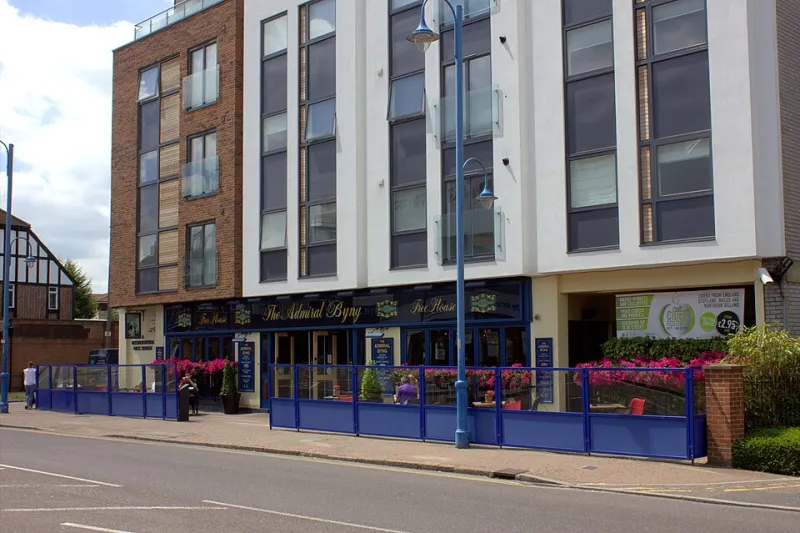
Photo: Robert Eva , CC BY-SA 2.0, via Wikimedia Commons
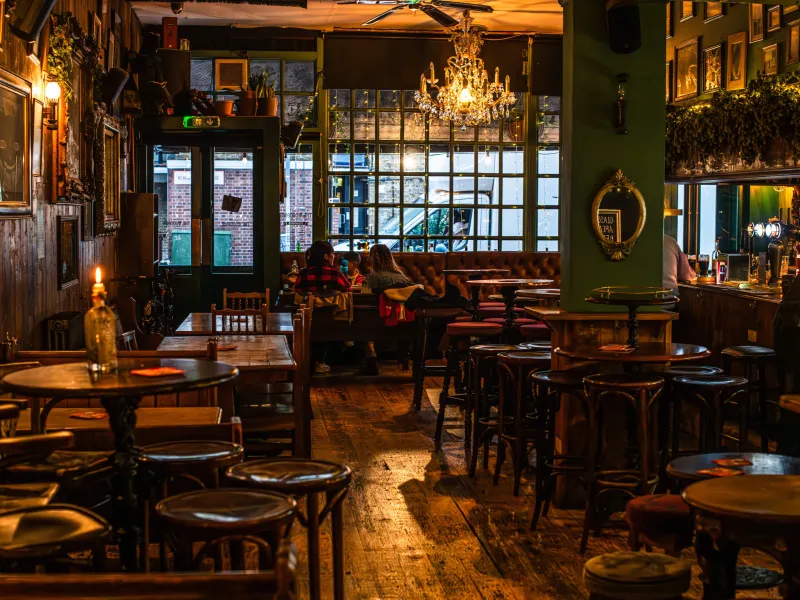
November is a good month to be in a pub. The nights are long, the boots are muddy, the fire is doing its job and the bar has that particular late-autumn feel: cider, darker ale, and a few people sensibly mixing in a lower-alcohol round.
This is not a beer-snob lecture. It is a guide to ordering with confidence at The Sun Inn Winforton this November, whether you are having one pint before the walk home or settling in for a proper Sunday lunch.
Start with the weather, not the label
The first rule of the November pour is simple: match the drink to the day. A cold, bright Saturday after a frost calls for something crisp and dry. A wet Friday night when the lanes are flooded calls for something with a bit more malt and comfort. Do not overthink it. The bar staff will not judge you for choosing a half of something different, and they will judge you gently if you order a pint of stout with a delicate fish dish.
The cider: dry, still and from an orchard you could walk to
Herefordshire cider is not a novelty. It is a local staple, and the farmhouse style is the one to look for. Dry, still, slightly cloudy, with enough tannin to stand up to food. It is not the same as the sweet, fizzy stuff in a bottle at a festival. It is closer to the orchard it came from.
This November, the cider on the bar is from a nearby Herefordshire orchard, and it is best served cool rather than icy. Ask for a half first if you are unsure. It pairs well with a pork pie, mature cheddar, and anything involving apples or crackling. It is also very good with fish and chips, which surprises some people, but the acidity cuts through the batter nicely.
If you are driving, do not be a hero. A half is a sensible measure, and the low-alcohol option is there for a reason.
The ales: one for the first pint, one for the second
A good bar should have at least two ales that do different jobs. One should be bright, hoppy and easy to drink, the sort of pint that works as a first round while you read the menu. The other should be maltier and a bit more serious, the sort of pint that belongs next to a steak pie or a Sunday roast.
This month, look for a local pale ale with a clean, citrus edge and a darker ale with a bit of biscuit and caramel. Neither is extreme. Both are pub ales in the proper sense: they are meant to be drunk in pints, with food, in company.
Pair the pale ale with lighter dishes, a ploughman's, or a bowl of soup. Pair the darker ale with roast beef, mushroom wellington, or anything with gravy. If you cannot decide, ask for a taste. That is what the little glass is for.
The low-alcohol option that does not taste like penance
The low-alcohol beer on the bar is not an apology. It is a proper drink, and it has improved enormously in recent years. The best ones now taste like beer rather than vaguely malty water, and they work with food instead of just sitting next to it.
This November, the low-alcohol pale ale is the one to try if you want a second round without the consequences. It is light, slightly hoppy and perfectly happy next to a burger or a bowl of chips. It is also a decent option if you are on the school run later, driving home, or simply pacing yourself before the village quiz.
Order it in a pint glass if you like. There is no rule that says it has to be treated differently. The point is that everyone at the table can have a proper drink in their hand.
Pairing a pint with pub food without overthinking it
Here is the short version. Cider with pork, cheese, fish and anything apple-based. Pale ale with lighter dishes and sharper flavours. Darker ale with roasts, pies and gravy. Low-alcohol pale ale with pretty much anything, because it is not trying to boss the plate around.
And if you get it wrong, nobody will mind. The best pairing is the one you actually want to drink. A pub is not a tasting menu. It is a place to eat well, drink well and stay a bit longer than you planned.
How to order with confidence
Ask what is local. Ask what is fresh. Ask for a half if you are unsure. Ask for a taste of the ale. Ask the bar staff what they would drink with the pie. These are not difficult questions, and they are exactly the sort of questions a village pub should be able to answer.
The November pour is not about being an expert. It is about finding something you like, in a glass that suits the evening, next to food that was made for it. That is a good enough guide for anyone.