Pass the Potatoes, Meet the Neighbours: The Sunday Long Table Experiment
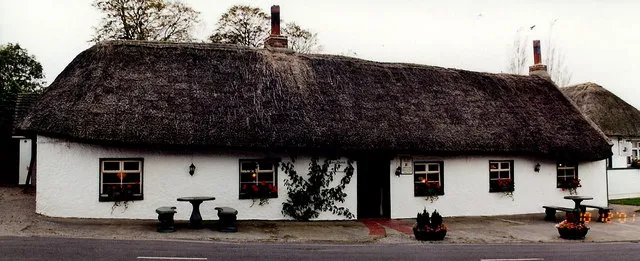
Photo: Wpcpey, CC BY-SA 4.0, via Wikimedia Commons
The idea was simple enough: put a long table down the middle of the dining room on a Sunday, seat strangers together, and see what happens. Not a networking event. Not a supper club with name badges. Just Sunday lunch, with the seating plan taken out of everyone’s hands.
We tried it on a Sunday in early November, when the light goes early and the fire is doing most of the hospitality. Eighteen seats. A mix of regulars, a walking group from Hay, a couple who had never been to The Sun Inn before, and a few people who had booked alone because they fancied a roast without cooking it.
The Idea and the Awkward Bit
The first ten minutes were exactly as awkward as you might expect. People sat down carefully, as if the chairs might be judged. There was a lot of looking at menus. One man asked whether he was allowed to order a pint before anyone else had arrived. He was. He did.
We had worried about forcing conversation. So we did not. No icebreakers. No ‘turn to the person next to you and tell them your favourite vegetable’. Just bread, butter, water, and a menu. The only nudge was the table itself. When you are sitting shoulder to shoulder with someone, it is harder to ignore them completely.
The First Pass of Plates
The first proper conversation started over the roast potatoes. A woman on the end asked the person opposite whether they were getting the beef or the pork. He said beef. She said she had been coming here for years and always said she would try the pork but never did. He said he always said the same about the beef. That was it. The table had its first thread.
Then the starters arrived. A few people had skipped them. A few had ordered soup. One couple shared the ham hock croquettes and offered one to the person next to them, which is the country pub equivalent of a diplomatic handshake. By the time the mains landed, the table had split into smaller conversations, which is exactly what you want. A long table should not feel like a panel discussion. It should feel like several good tables that happen to be joined together.
When the Table Started Talking
The walkers turned out to be the best thing that could have happened. They had been out on the Wye Valley path since morning, they were hungry, and they had no interest in being shy. Within twenty minutes they had asked the regulars where the best local cider came from, been told three different answers, and started a debate about whether a Sunday roast needs a Yorkshire pudding if the meat is pork.
The first-timers, a couple from Hereford, said afterwards that they had booked because they wanted to try the place but worried it might feel cliquey. The long table made it easier. They did not have to walk into a room of people who all knew each other and find a corner. They just sat down and passed the gravy.
There was also a quiet moment that we did not plan. One of the regulars, who has lived in Winforton for decades, ended up talking to a younger couple who had moved to the area in the spring. They talked about the village hall, the bus, and the fact that the couple had not yet found a plumber. By the end of the meal, they had a recommendation and an invitation to a quiz night. That is the sort of thing that happens when you seat people together.
The Lessons
We learned a few things. First, eighteen is a good number. Any more and the table splits into factions. Any fewer and one quiet person can feel exposed. Second, do not put all the regulars at one end. Mix them through. Third, give people something to do with their hands — bread, water, a drink — before the food arrives. And fourth, do not force it. The best conversations started because someone needed the salt, not because we asked everyone to share a fun fact.
We also learned that the format works best as an occasional thing. A Sunday long table every week would become its own kind of club. Once a month, or once every couple of months, it stays an event. It gives people a reason to book, and it gives the room a different shape for a few hours.
Should It Stay?
Yes, with conditions. We will do it again in the new year, probably on a Sunday when the fire is lit and the menu is unapologetically a roast. We will keep it small. We will seat people deliberately rather than randomly. We will not pretend it is for everyone. Some people want their own table, their own conversation and their own quiet corner. That is fine. The long table is not a replacement for the ordinary Sunday lunch. It is a variation on it.
What it revealed was simple: pub hospitality is mostly about removing the small barriers that stop people from talking. A shared table does that better than a hundred notices on the wall. You cannot guarantee that strangers will become friends over a plate of roast potatoes. But you can guarantee that they will pass the potatoes. And that is a start.