The Chip Doesn't Lie: Why We Read a Pub Kitchen Through a Plate of Potatoes
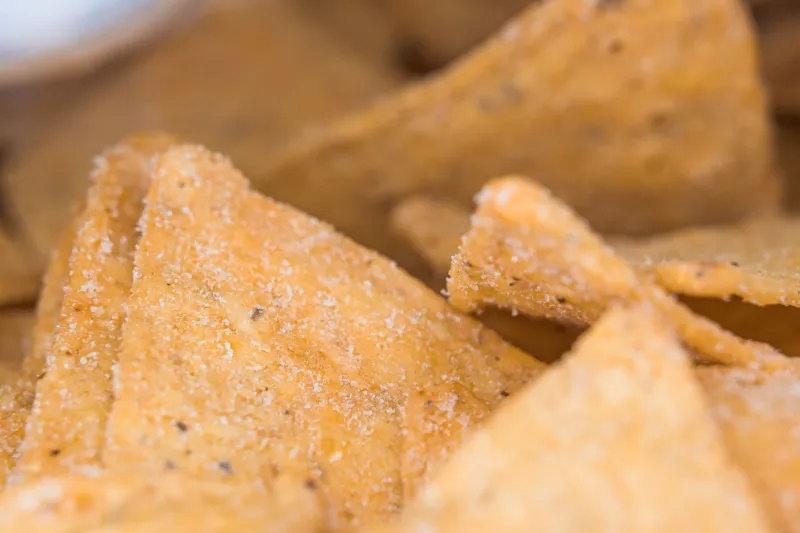
There is a moment, shortly after you sit down in a pub, when the menu is still being passed around and nobody has committed to anything. The drinks arrive. Then, if you are lucky, a bowl of chips lands in the middle of the table. That is the moment the kitchen has already introduced itself. Forget the handwritten specials board and the paragraph about provenance on the back page. The chip got there first, and the chip does not exaggerate.
At The Sun Inn in Winforton, we have a soft spot for this particular test. Not because we want to be judged by a side dish, but because we know how much a proper chip asks of a kitchen. It is not a garnish. It is not an afterthought. It is a small, golden audit of how somebody is paying attention when nobody is watching.
Why the chip carries so much weight
In a British pub, chips are not a side. They are a shared language. They turn a sandwich into lunch, a bowl of something warm into a proper meal, and a quiet pint into an occasion. They are also the item most likely to be ordered by everyone at the table, from the youngest to the oldest, which means they have nowhere to hide.
A menu can talk about heritage tomatoes and slow-reared pork, and those things matter. But chips are ordered in volume, cooked to order and sent out fast. They reveal the boring, brilliant basics: whether the fryer is clean, whether the oil is at the right temperature, whether the potatoes have been cut evenly, whether the salt went on at the right moment. A kitchen that cares about chips usually cares about the rest. A kitchen that doesn't care about chips is hoping you won't notice.
The truth is in the potato, the oil and the clock
A good chip starts long before it hits the fat. Potato variety matters. Floury varieties give you that fluffy middle, waxy ones can turn glassy or greasy if they are handled badly, and the best pub chips tend to come from potatoes chosen for the job rather than whatever was cheapest on the day.
Then there is temperature. Chips need space, heat and a bit of patience. Crowd the basket and the oil drops; the chips steam instead of crisping, and you get that pale, limp sadness that no amount of salt can rescue. A proper chip is usually cooked twice — once to cook the inside, once to crisp the outside — and it is salted as it leaves the fryer, not twenty minutes later when the salt has already given up.
The final tell is the hold. Chips that sit under a lamp go leathery. Chips that are cooked to order arrive hot, crisp and unapologetic. You can taste the difference before you have finished the first one.
What we look for at our place
We are not going to pretend every chip at The Sun Inn is a life-changing event. It is a chip. But we do have standards, and they are not complicated. We want a chip with a crisp shell that gives way to something soft and potato-y in the middle. We want it salted properly, not nervously. We want it hot enough that you have to wait a second before biting in, and we want the oil to taste of nothing except the chip itself.
That means fresh oil, clean fryers, baskets that are not overfilled and a kitchen team that understands a chip is not a place to cut corners. It also means accepting that chips are a live product. They are never quite the same twice, because potatoes are not quite the same twice. That is part of the charm. A chip that looks factory-perfect is usually a chip that has been through a process, not a kitchen.
A light-hearted chip audit for your next pub visit
You do not need a clipboard to judge a chip. You just need to pay attention. Here is a simple, entirely unofficial audit you can run at your next pub lunch.
- The first look. Are the chips golden and varied, or uniformly beige and identical? A little natural variation is a good sign.
- The crunch test. Pick one up by the end. Does it hold, or does it droop like a wet sock?
- The fluff factor. Break one open. Is there potato in the middle, or just a hollow crisp shell?
- The salt question. Is the seasoning even, or has it all landed on three chips at the top of the pile?
- The grease check. Dab one on a napkin. A little oil is fine. A grease patch the size of a ten-pence piece is not.
- The temperature. Are they hot all the way through, or warm at the edges and cool in the middle?
- The aftertaste. Does the chip taste of potato, or of old oil and regret?
- The last one. Do you want the last chip, or are you happy to leave it? That is the most honest answer you will get all day.
Score each one out of ten if you like, or just argue about it at the table. That is what chips are for.
The quiet confidence of a proper chip
A pub is not a restaurant, and it does not need to be. It needs to be warm, welcoming and honest. The chip is one of the clearest ways a kitchen can say it is paying attention. It is not flashy. It does not need a story on the menu. It just needs to be hot, crisp, salty and made with a bit of care.
So next time you are in Winforton, or any other pub in the country, order the chips. Not because they are the most important thing on the menu, but because they are the first thing that tells you what kind of place you are in. The menu can wait. The chip has already spoken.