Chestnut, Cider and a Proper Yorkshire: Building the Meat-Free Sunday Lunch at The Sun Inn
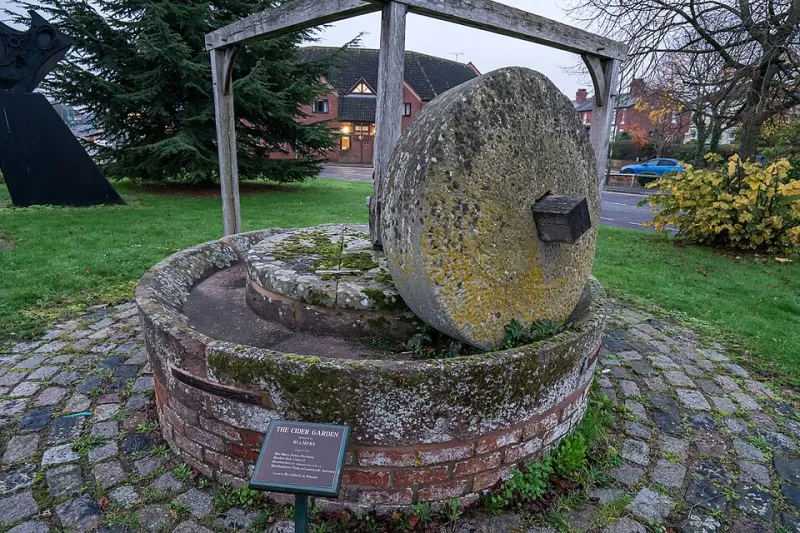
Photo: Hilary Perkins, CC BY-SA 2.0, via Wikimedia Commons
Sunday lunch is the one meal of the week where the plate matters less than the table. Nobody books a roast for the sophisticated interplay of textures. They book it because the same people sit in the same chairs at roughly the same time, and something warm arrives in front of everyone at once. Get that right and the food can be almost anything.
Which is precisely why the vegetarian option deserves more thought than it usually gets. Too often it is the dish that arrives ten minutes after everyone else, slightly smaller, slightly paler, and greeted with a sympathetic murmur from the far end of the table. That is not a tradition. That is an apology with a garnish on it.
The Afterthought Problem
It's worth being honest about how this happens. A country pub kitchen on a Sunday is a machine built around one centrepiece: a joint, a timing plan, a carving board, a river of fat for the potatoes. Anything outside that rhythm is, structurally, an interruption. So the meat-free dish gets bolted on late, made in a hurry, and seasoned with the faint hope that nobody orders it.
Then someone does order it, and the kitchen learns nothing, because the feedback is polite. We've been on the wrong side of that exchange ourselves. The fix isn't a moral argument — it's a logistical one. Build the vegetarian roast into the same plan as the beef, give it the same prep slot and the same care, and it stops being an exception. It becomes part of the service.
Built From the Bottom Up
A decent nut roast in 2026 isn't a loaf of nuts held together by hope. It's a structured dish with layers, and the layers are where the flavour lives.
The base is usually a mix of cooked lentils and chestnuts — the lentils for body and quiet earthiness, the chestnuts for sweetness and a bit of crumble. Around that goes whatever the season is giving us: grated parsnip, celeriac, a little swede, all squeezed dry so the mixture doesn't turn to porridge in the oven. Onion and leek softened slowly rather than fried hard. Thyme from the garden, sage if there's any left, a spoon of mustard, a splash of cider to bring the whole thing together.
Then the important bit: a nut roast needs a crust. Ours is finished with a mix of blitzed hazelnuts, a little smoked paprika and a knob of butter, pressed on before the final bake. That crust gives it the thing a nut roast most often lacks, which is contrast. Without it, you're eating a texture, not a dish.
We bake it in a tin, rest it, then slice it to order so it goes into the oven again briefly to colour. It holds its shape on the plate. That matters more than people admit.
Gravy Is Not a Garnish
If there is one hill we will stand on, it's this: a meat-free roast lives or dies by its gravy.
The gravy is a proper dark vegetable stock, roasted roots, cider, a little mushroom for depth, reduced until it coats the back of a spoon and tastes of something. It's made in the same pan-and-time slot as the meat gravy, not stirred together in a jug at the last minute. It goes on generously — a dry roast is a sad roast, whatever's in it.
We also keep a jug of it at the pass, because the Yorkshire puddings want it, the potatoes want it, and plenty of people will ask for more.
The Yorkshire Question
Yes, the puddings are vegetarian. Ours are made with a standard batter, beef dripping kept strictly for the meat plates, and a separate tray and shelf in the oven. It sounds fussy written down; in practice it's a two-minute bit of discipline that means nobody has to ask an awkward question at the table.
The same goes for the potatoes. Roasted in oil, in their own tray, done early enough that they're crisp rather than pale. And the trimmings — honey-glazed carrots, buttered greens, braised red cabbage with a bit of apple — are shared across every plate on the table. That's the point. Everyone reaches for the same dish of cabbage.
Sourcing Within Ten Miles, Give or Take
The Wye Valley does most of the work here. Roots come from growers we can ring up. Cider comes from orchards we can nearly see from the car park. The nuts arrive in sacks rather than tubs, because we buy them from a wholesaler in Hereford who doesn't mind a small order. None of it is exotic. Most of it is cheap. The trick is simply to buy vegetables that taste of themselves, then not ruin them.
Notes for Anyone Planning a Menu
A few practical things we've learned, offered in case they're useful:
- Write it into the plan, not beside it. Same prep sheet, same service time, same plate-up standard.
- Squeeze your vegetables. Wet mix is the single most common failure point.
- Give it a crust. Texture is what makes it feel like a main event.
- Make too much gravy. You will not regret this.
- Let it rest. Slicing hot is how you end up with crumbs.
- Price it fairly. A meat-free roast that costs almost as much as the beef with a fraction of the work reads as an insult to the guest.
- Serve it to everyone who asks. Including the ones who also want a Yorkshire pudding. Especially them.
The Same Table, the Same Time
There's a tendency to treat the vegetarian roast as a separate offering — a smaller menu, a different section, a slightly embarrassed footnote. We'd rather it sat there unremarkably, in bold, at the same price as everything else, arriving on the same tray at the same moment.
Because the shared ritual is the whole business. The carvery rhythm, the second pot of tea, the uncle who always claims the last roast potato. None of that depends on what's in the middle of your plate. It depends on everyone being at the table together, eating something that was made with the same amount of care.
That's not a consolation prize. That's just Sunday.