The Gravy Ledger: How Sunday’s Roast Becomes Monday’s Pie at The Sun Inn
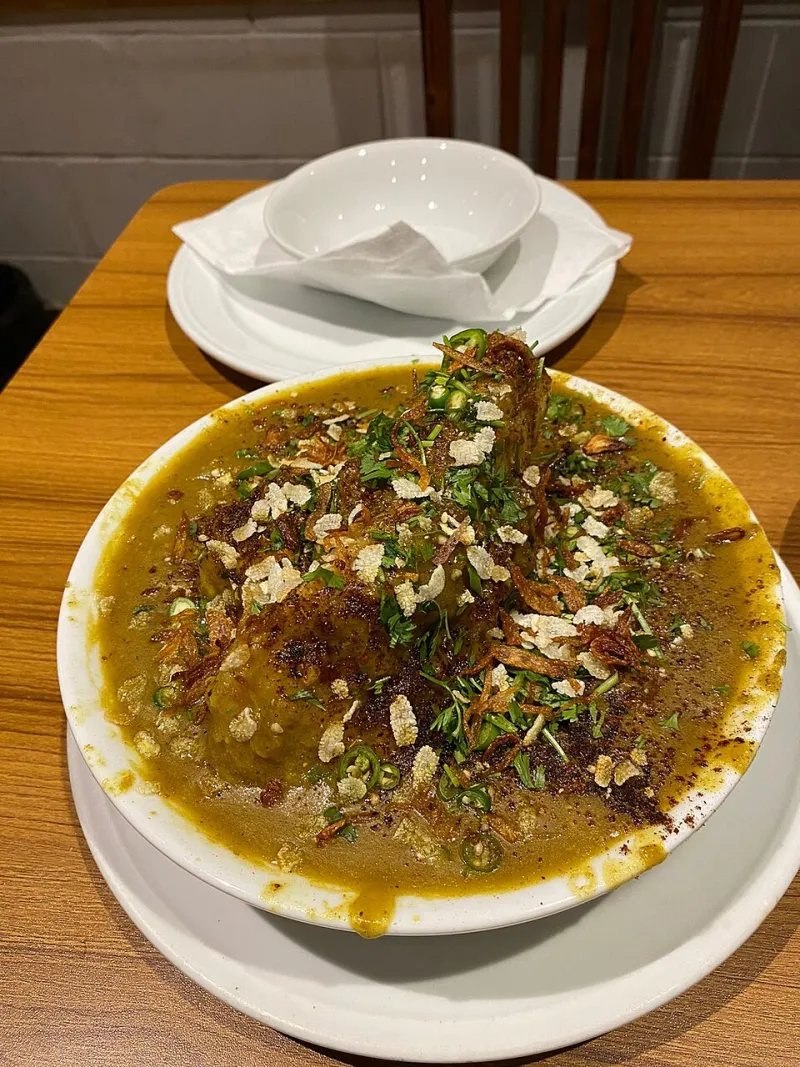
Photo: RAZI SHOVON, CC BY-SA 4.0, via Wikimedia Commons
Monday morning at The Sun Inn has a particular sound. The dishwasher is still groaning through its first cycle, someone is stacking chairs in the dining room, and in the kitchen there is a tray of Sunday beef that has been cooled, covered and labelled with the sort of seriousness usually reserved for a wedding cake. It is not glamorous. It is, however, the most interesting hour of the week.
Sunday’s roast is a performance. Monday is the edit. The beef that did not quite get carved, the roast potatoes that stayed in the tin, the last of the gravy and the vegetable trimmings all have to be read like a kitchen ledger. Some of it will become pie. Some will become stock. Some will become the staff lunch that keeps the whole operation upright. Very little, if anything, goes in the bin liner.
That is not a boast about being thrifty. It is just how a pub kitchen with a small walk-in and a busy weekend has to think. Waste is expensive, but waste is also dull. A good Monday pie is not a bin-end. It is a second dish with its own character, and it only works if you treat the leftovers as ingredients rather than as evidence of yesterday.
The Monday Morning Audit
The first job is not cooking. It is looking. The beef gets checked for temperature, texture and seasoning. Slices that have dried at the edge are chopped rather than shredded — you want pieces you can find with a fork, not a paste. The roast potatoes are assessed separately. Some will go into the pie if they are still firm enough to hold their shape; others will be crushed with butter and egg for a staff lunch, or warmed through with onions and a little mustard. The gravy is tasted. If it has thickened too much overnight, it gets loosened with stock, not water. If it has gone a bit flat, it gets a splash of something sharp and a fresh bay leaf.
This is where a country pub kitchen differs from a domestic one. At home, you might make a pie from whatever is in the fridge. In a pub, you have to make the same pie for twenty people and have it taste consistent. That means portioning, tasting and resisting the urge to throw in every last scrap just because it is there. A pie is not a compost heap. It needs balance: meat, gravy, a little onion, perhaps mushrooms, and a pastry that can stand up to the filling.
What Goes In — and What Stays Out
The beef goes in, obviously. So does enough gravy to make the filling loose but not soupy. We usually add slowly cooked onions and a handful of mushrooms if they are hanging around, plus thyme and a little Worcestershire sauce. The roast potatoes are a judgement call. A few, roughly broken, can thicken the filling and add a lovely savoury edge. Too many, and the pie becomes a heavy, starchy thing that sits in the stomach like a bag of sand. The rest are better used elsewhere.
Carrots and greens from Sunday rarely go into the pie. They have already been cooked once and will not improve with a second round under a pastry lid. Instead, they become soup or a staff side dish, or they go into the stockpot with the bones and trimmings. That might sound austere, but it is not. It is just a different route to the same end: a hot, savoury meal that tastes of something.
The pastry is where the pub kitchen can show a bit of generosity. Shortcrust on the bottom, puff or a rough puff on top, and a good egg wash. The pie is not a vehicle for leftovers; it is a dish in its own right. On the board it might sit next to mash and a jug of gravy, or with chips and mushy peas if the mood takes us. The point is that nobody at the table should feel they are being handed Sunday’s mistakes.
The Stockpot Is the Real Monday Special
While the pie is being assembled, the stockpot goes on. Beef bones, onion skins, carrot peelings, a few peppercorns and a bay leaf, covered with cold water and brought up slowly. It will simmer for most of the afternoon, filling the kitchen with a smell that is somehow both savoury and reassuring. This is the quiet engine of the whole operation. The stock will go into the pie gravy, into a soup later in the week, and into the fridge in labelled tubs for whoever needs a quick base.
Stock is the least photogenic part of pub cooking and the most useful. It is also the clearest example of the economics at work. Bones and peelings that could have been thrown away become a liquid that would cost a fortune to buy in. A country pub runs on that kind of arithmetic, even if nobody is doing sums at the pass.
Staff Lunch and the Quiet Economics
By early afternoon, the kitchen smells of pastry and stock, and the staff lunch is ready. It is rarely a written dish. On this Monday it might be crushed roast potatoes fried with onions, topped with a couple of eggs and a spoonful of the pie filling that did not quite fit. It is eaten standing up, or sitting on an upturned crate, and it is one of the best meals of the week. Staff lunch is not a perk. It is part of the rhythm. It keeps people fed, keeps morale up and stops the last of the weekend going to waste.
That is the real Monday story. Not a heroic chef turning scraps into art, but a kitchen making sensible decisions in the right order. Cool things quickly. Label them. Taste them. Decide what they are for. A pie, a soup, a stock, a staff meal. The bin liner stays empty because the plan was never to fill it.
A Note for Home Cooks
The same logic works in a domestic kitchen, with a little care. Cool leftovers quickly and get them into the fridge within two hours. Do not reheat anything twice. If you are making a pie from Sunday beef, chop it, moisten it with gravy and taste before the pastry goes on. Keep the stockpot simple: bones, veg trimmings, water, time. And do not feel you have to use everything in the same dish. The point is not to force leftovers into a pie. The point is to give them a second life that tastes like it was meant.
By Tuesday, the pie will be gone, the stock will be in tubs and the board will have moved on. But the ledger will still be there, waiting for the next Sunday roast to become Monday’s lunch, Monday’s pie and Monday’s quiet bit of good sense.